Older migrants in Europe: why we need a right-based approach
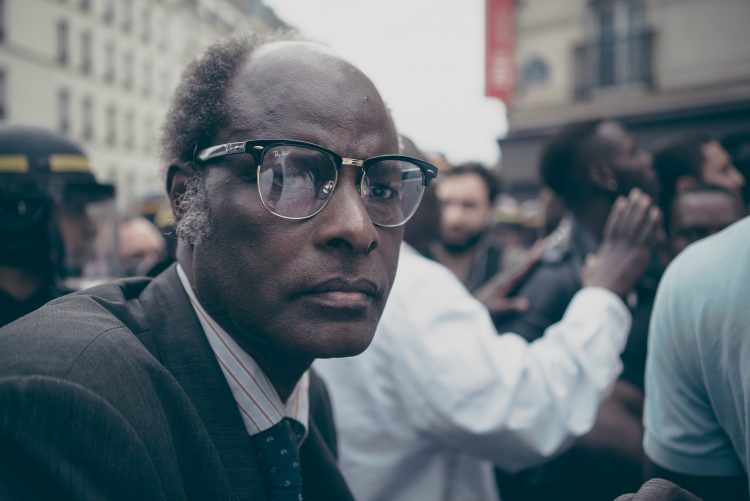
Ageing and international migration are interrelated phenomena which are currently affecting the European continent. As a consequence of these social processes, the number of older people who have been international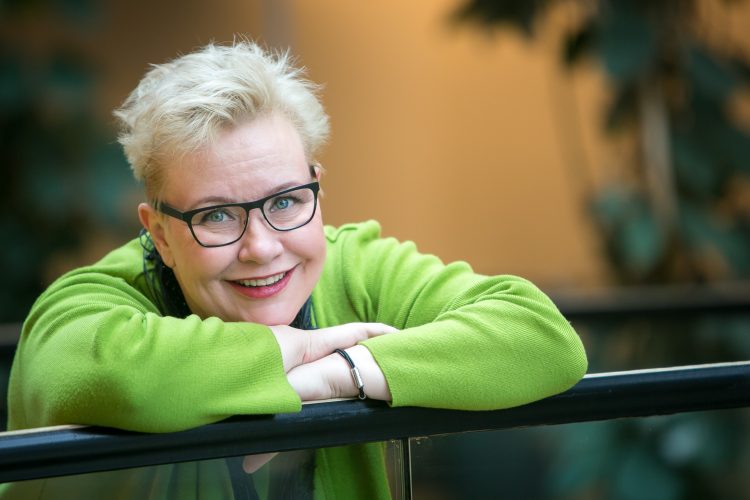
We must respect older people’s varying identities: a message from MEP Sirpa Pietikäinen
Ms. Sirpa Pietikäinen is a Member of the European Parliament committed to defend the rights of lesbian, gay, bisexual, transgender, intersex or queer people (LGBTIQ). She rallies the #AgeingEqual campaign with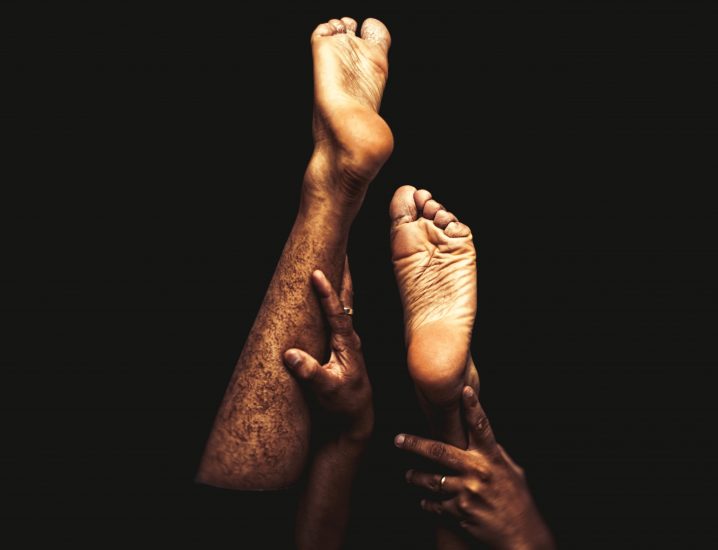
Do older women have the right to sex?
Using general human rights provisions of the European Convention on Human Rights, the European Court of Human Rights has on several occasions addressed and promoted (but also sometimes restrained) the human rights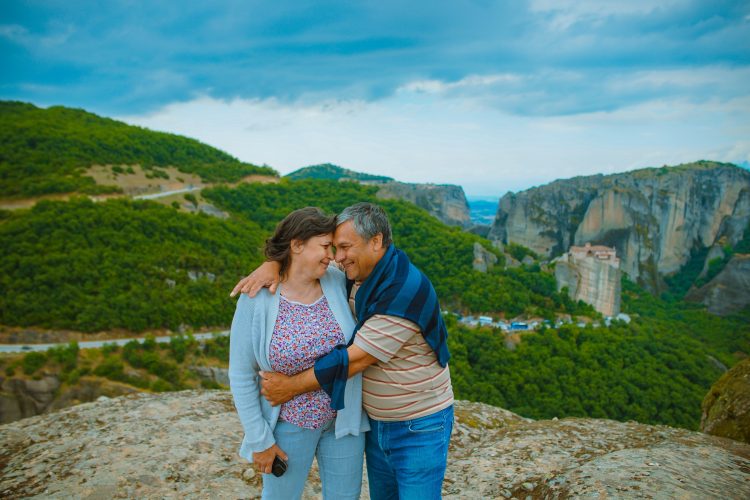
Promoting and supporting the sexual rights of older adults
There is a tendency to stereotype older adults as sexless: that they’re not interested in sex, do not catch sexual diseases, and are not at risk of sexual assault. Sharron
Older people less likely to be offered an HIV test in English sexual health clinics
Despite their mandate to offer HIV testing to all attendees, sexual health clinics in England are less likely to offer a test to older patients, according to an analysis of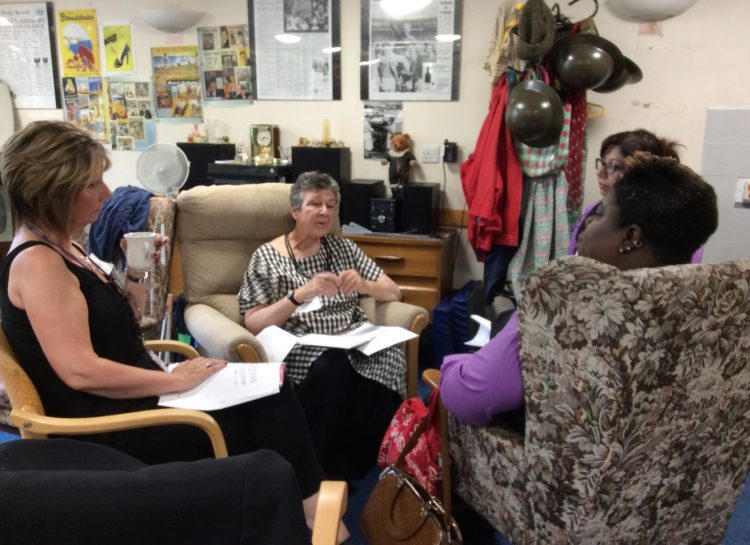
‘Bring back that loving feeling’: Sexuality in later life and the impact of ageism
Trish Hafford-Letchfield is challenging ageist stereotypes about older people being asexual and calls for greater discussion around sexual in care settings For many of us, intimacy and sexuality are integral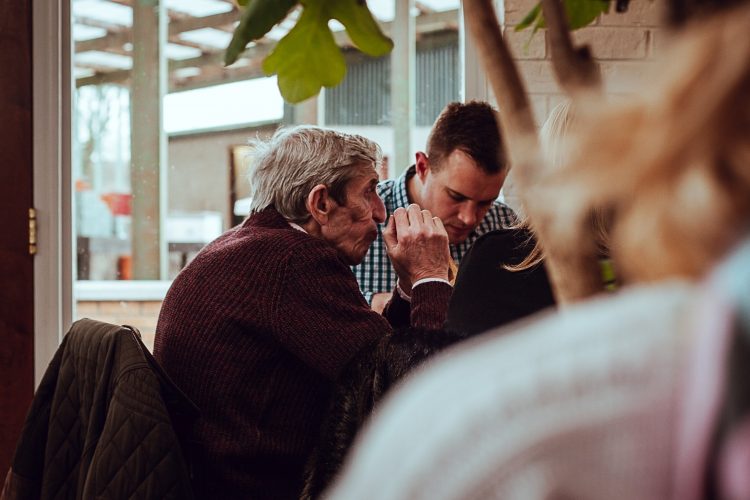
Why is age a barrier to intergenerational friendships?
Research from the UK and across Europe consistently shows that people are likely to have more friends who are the same age or in the same age group as themselves.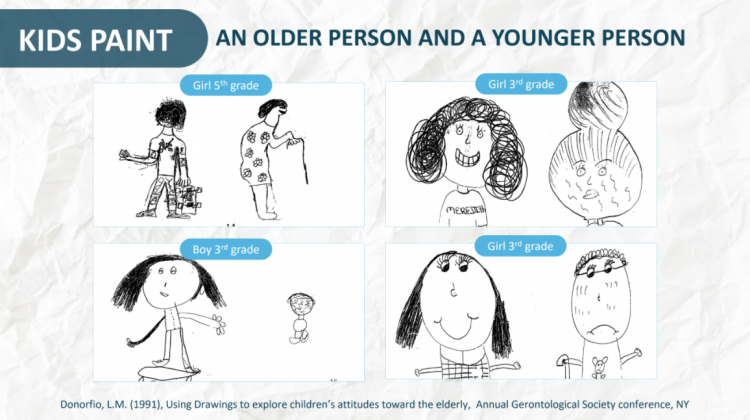
Children’s attitudes regarding older people – Are they ageist?
The literature presents mixed findings regarding the existence of ageism among children, which have been linked with the diversity of measures used. Joana Mendonça, PhD Candidate at the Lisbon University Institute, makes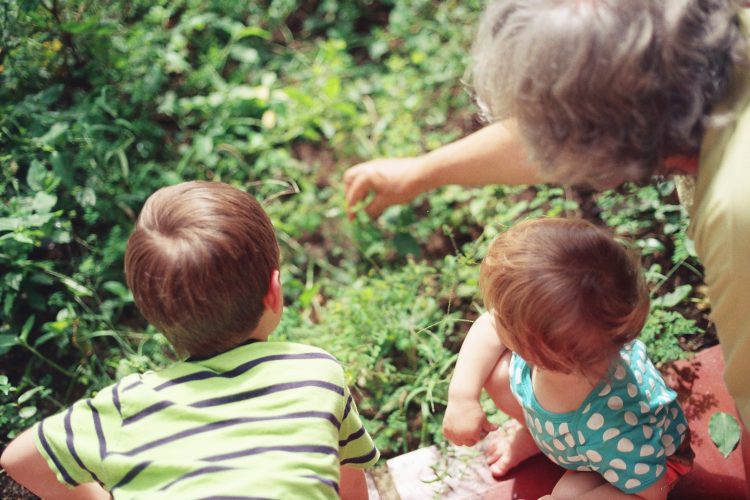
 English
 Afrikaans
 Albanian
 Amharic
 Arabic
 Armenian
 Azerbaijani
 Basque
 Belarusian
 Bengali
 Bosnian
 Bulgarian
 Catalan
 Cebuano
 Chichewa
 Chinese (Simplified)
 Chinese (Traditional)
 Corsican
 Croatian
 Czech
Czech Danish
 Dutch
Dutch Esperanto
 Estonian
 Filipino
 Finnish
 French
 Frisian
 Galician
 Georgian
 German
 Greek
Greek Gujarati
 Haitian Creole
 Hausa
Hausa Hawaiian
 Hebrew
 Hindi
Hindi Hmong
Hmong Hungarian
 Icelandic
 Igbo
Igbo Indonesian
 Irish
Irish Italian
 Japanese
 Javanese
 Kannada
 Kazakh
 Khmer
Khmer Korean
 Kurdish (Kurmanji)
 Kyrgyz
 Lao
Lao Latin
Latin Latvian
 Lithuanian
 Luxembourgish
 Macedonian
 Malagasy
 Malay
Malay Malayalam
 Maltese
 Maori
Maori Marathi
 Mongolian
 Myanmar (Burmese)
 Nepali
 Norwegian
 Pashto
 Persian
 Polish
 Portuguese
 Punjabi
 Romanian
 Russian
 Samoan
 Scottish Gaelic
 Serbian
 Sesotho
 Shona
Shona Sindhi
 Sinhala
 Slovak
 Slovenian
 Somali
 Spanish
 Sudanese
 Swahili
 Swedish
 Tajik
Tajik Tamil
Tamil Telugu
 Thai
Thai Turkish
 Ukrainian
 Urdu
Urdu Uzbek
Uzbek Vietnamese
 Welsh
Welsh Xhosa
Xhosa Yiddish
 Yoruba
 Zulu
Zulu